
Our Nervous System & Survival Mode:
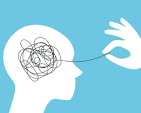
The nervous system, particularly the autonomic nervous system (ANS), plays a crucial role in determining whether someone is in "survival mode." The ANS has two branches: the sympathetic nervous system, which activates the "fight-or-flight" response in stressful situations, and the parasympathetic nervous system, which promotes relaxation and recovery. When the body experiences prolonged or excessive stress, it can get stuck in a state of heightened sympathetic activation, leading to what is often called "survival mode". This state is characterized by a constant feeling of being on edge, difficulty relaxing, and a range of physical and mental symptoms.
Here's a breakdown of the relationship:
1. The Nervous System's Role:
- The autonomic nervous system is responsible for regulating involuntary bodily functions like heart rate, breathing, and digestion.
- The sympathetic nervous system (SNS) prepares the body for action in response to perceived threats, increasing heart rate, blood pressure, and releasing stress hormones.
- The parasympathetic nervous system (PNS) counteracts the SNS, promoting relaxation, slowing heart rate, and aiding digestion.
- When the nervous system is dysregulated, it can become stuck in a state of over-activation, where the SNS is constantly triggered.
2. Survival Mode and the Nervous System:
- "Survival mode" is a state of chronic stress and heightened arousal where the body is constantly on high alert.
- This state is often triggered by prolonged or overwhelming stress, trauma, or adverse life experiences.
- When stuck in survival mode, the nervous system may struggle to differentiate between real threats and everyday stressors, leading to exaggerated reactions.
- The constant activation of the SNS can lead to physical and mental exhaustion, difficulty sleeping, digestive issues, and other health problems.
3. Symptoms of Survival Mode:
Physical:
Fatigue, headaches, digestive problems, sleep disturbances, muscle tension.
Mental/Emotional:
Anxiety, irritability, difficulty concentrating, feeling overwhelmed, emotional numbness, feeling disconnected.
Physical:
Fatigue, headaches, digestive problems, sleep disturbances, muscle tension.
Mental/Emotional:
Anxiety, irritability, difficulty concentrating, feeling overwhelmed, emotional numbness, feeling disconnected.
4. Getting Out of Survival Mode:
Mindfulness and Meditation:
Practices like deep breathing, meditation, and mindfulness can help regulate the nervous system and promote relaxation.
Trauma Therapy:
If trauma is a contributing factor, therapy can help process and release the associated stress and dysregulation.
Nervous System Regulation Techniques:
Techniques like vagus nerve stimulation exercises, spending time in nature, and engaging in enjoyable activities can help calm the nervous system.
Lifestyle Adjustments:
Prioritizing sleep, healthy eating, and regular exercise can also support nervous system balance.
Social Support:
Connecting with supportive friends and family can help reduce feelings of isolation and promote emotional well-being.
In essence, the nervous system is the body's communication network that plays a central role in how we respond to stress and whether we experience "survival mode." Understanding this relationship is crucial for identifying and addressing the root causes of being stuck in this state, ultimately promoting well-being and restoring a sense of calm and balance.
Mindfulness and Meditation:
Practices like deep breathing, meditation, and mindfulness can help regulate the nervous system and promote relaxation.
Trauma Therapy:
If trauma is a contributing factor, therapy can help process and release the associated stress and dysregulation.
Nervous System Regulation Techniques:
Techniques like vagus nerve stimulation exercises, spending time in nature, and engaging in enjoyable activities can help calm the nervous system.
Lifestyle Adjustments:
Prioritizing sleep, healthy eating, and regular exercise can also support nervous system balance.
Social Support:
Connecting with supportive friends and family can help reduce feelings of isolation and promote emotional well-being.
In essence, the nervous system is the body's communication network that plays a central role in how we respond to stress and whether we experience "survival mode." Understanding this relationship is crucial for identifying and addressing the root causes of being stuck in this state, ultimately promoting well-being and restoring a sense of calm and balance.